Buying construction machinery is very different from purchasing ordinary products. A machine may remain in operation for many years, and the initial purchase price is only one part of its total cost.
Machine size, working capacity, fuel consumption, attachments, maintenance, spare parts availability and after-sales support can all affect long-term operating costs and productivity.
For contractors, farmers, rental companies and machinery dealers, choosing the wrong equipment may result in low efficiency, unnecessary fuel consumption, higher maintenance costs or even the need to replace the machine earlier than expected.
This guide explains eight common mistakes to avoid when buying construction machinery and provides practical advice to help buyers make more informed purchasing decisions.
1.Focusing Only on the Initial Purchase Price
One of the most common mistakes when buying construction machinery is choosing equipment based primarily on its purchase price.
Although a lower initial cost may seem attractive, it does not always mean better long-term value. Fuel consumption, maintenance expenses, spare parts, repair requirements and equipment downtime can all influence the total cost of ownership.
A machine with a lower purchase price may become more expensive over time if it requires frequent repairs or has high operating costs.
- How to Avoid This Mistake
Before purchasing, compare the total cost of ownership rather than focusing only on the quoted price. Consider fuel or energy consumption, maintenance intervals, spare parts availability and expected operating hours.

2.Choosing the Wrong Machine Size or Capacity
Another common mistake is selecting machinery that is either too large or too small for the intended application.
Oversized equipment may increase fuel consumption, transportation costs and operating expenses. It can also be difficult to maneuver in confined working areas.
On the other hand, equipment with insufficient capacity may struggle to complete tasks efficiently and could be subjected to excessive workloads.
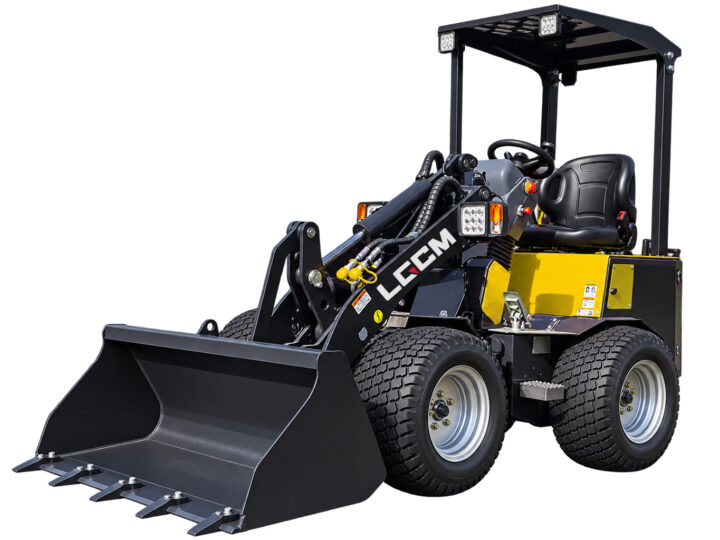
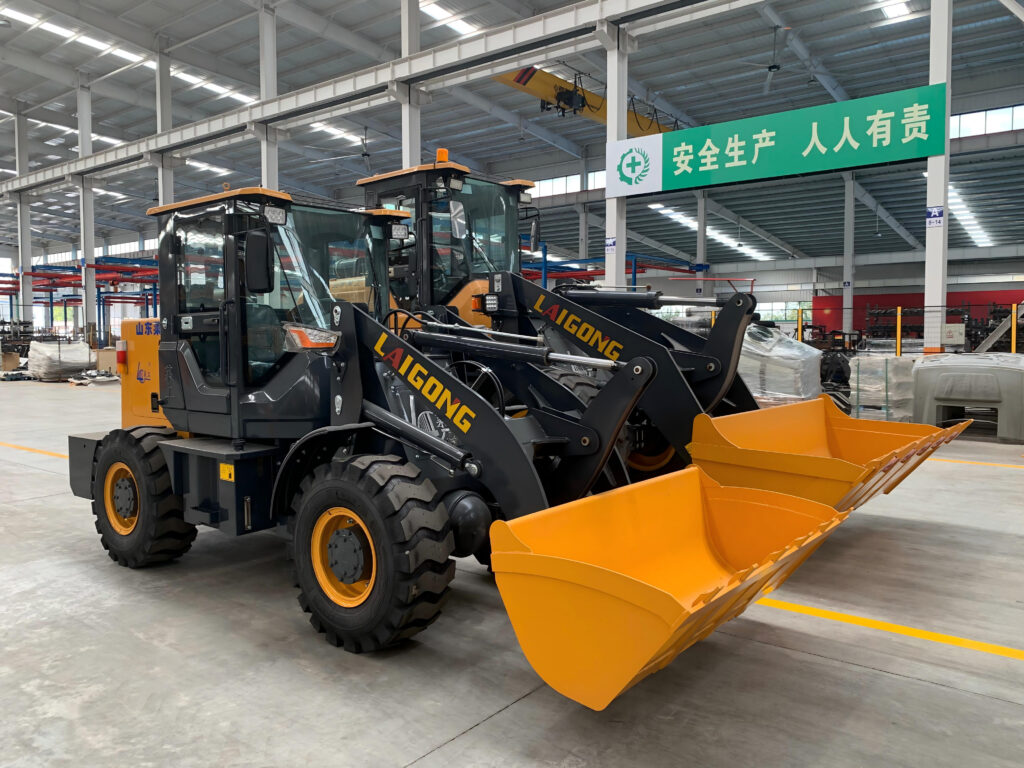
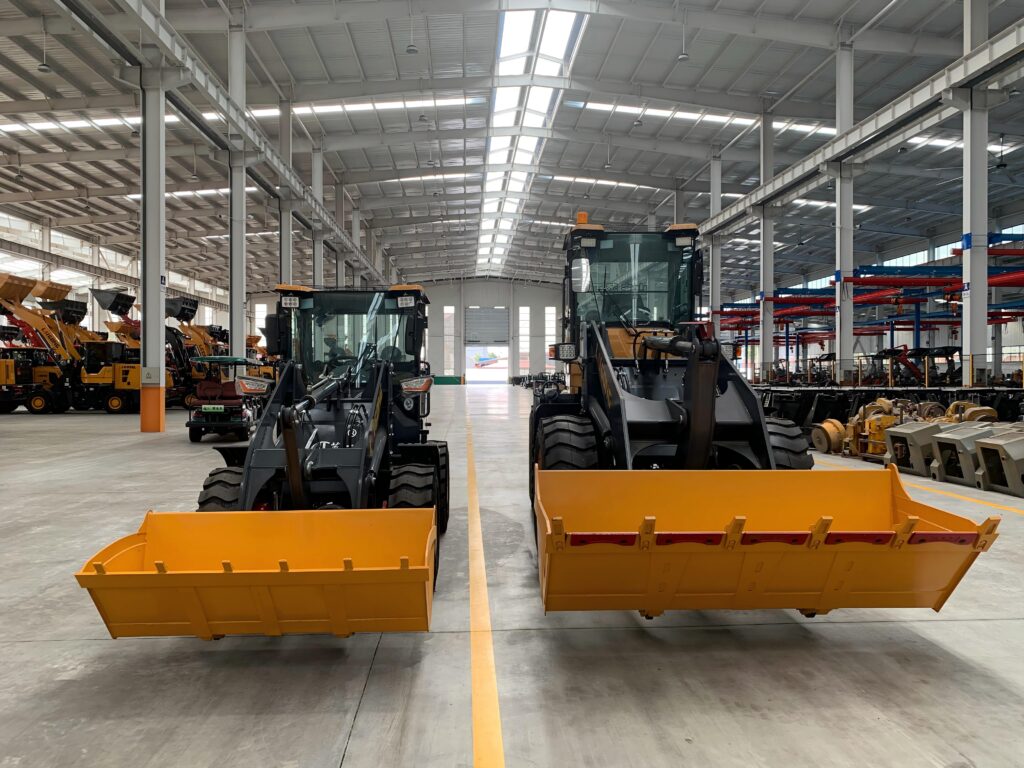
For example, when choosing a wheel loader, buyers should consider rated load, bucket capacity, operating weight, lifting height and available working space rather than focusing on machine size alone.
- How to Avoid This Mistake
Identify the typical workload, materials, lifting requirements and site dimensions before selecting a machine. Compare the specifications of different models to determine which configuration matches the intended application.
3.Ignoring Actual Working Conditions
Construction machinery is used in a wide range of environments, including construction sites, farms, warehouses, material yards and uneven outdoor terrain.
Different working conditions require different equipment characteristics.
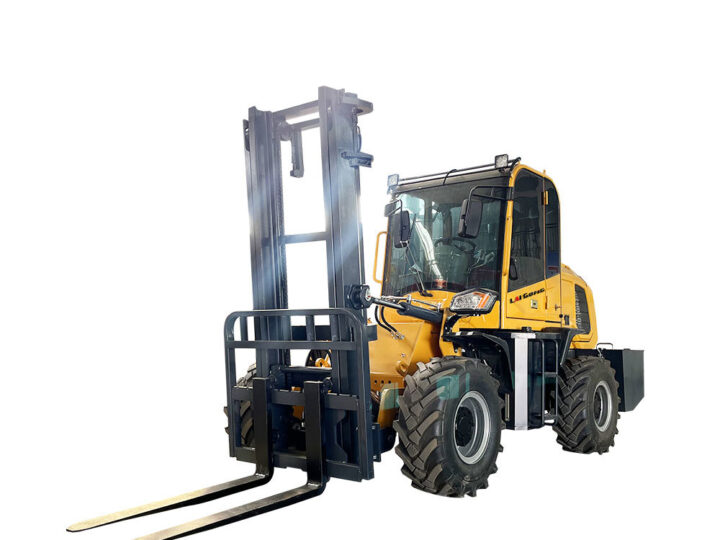
For example, a conventional forklift may perform well on flat warehouse floors but may not be suitable for muddy or uneven outdoor ground. A rough terrain forklift may provide better mobility in these conditions, depending on the machine’s specifications and site requirements.
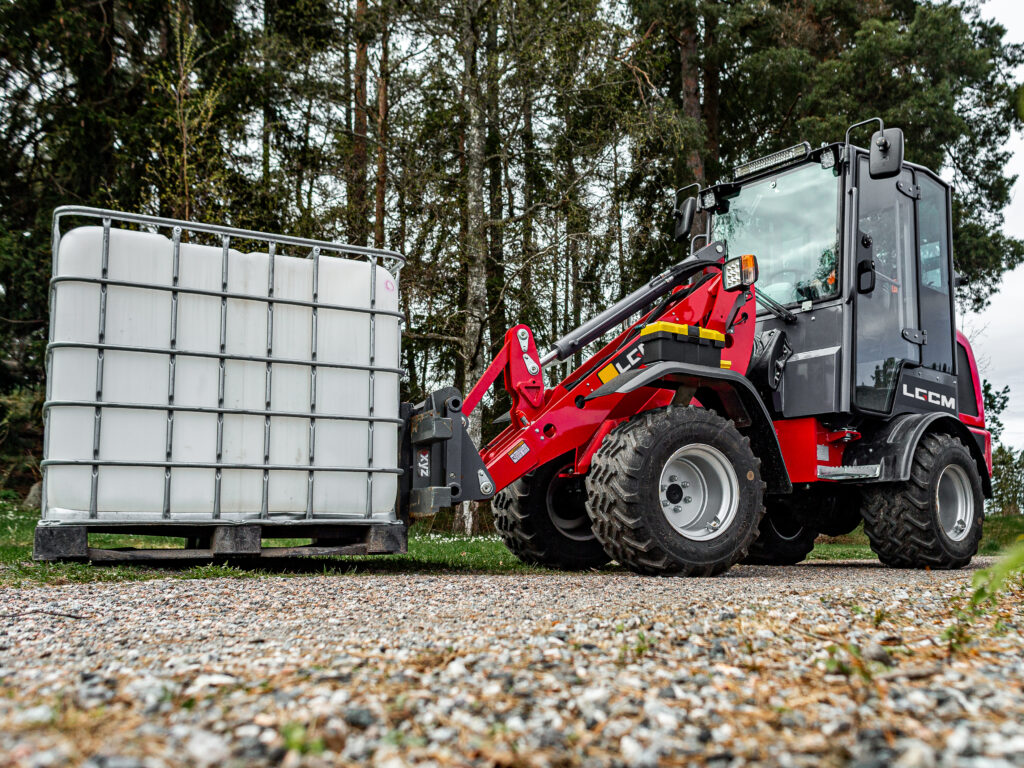
Similarly, compact wheel loaders can offer greater maneuverability in restricted spaces, while larger machines may be more appropriate for demanding material-handling workloads.
- How to Avoid This Mistake
Evaluate ground conditions, working space, terrain, climate and daily operating requirements before purchasing. Choose equipment designed for the environment in which it will actually be used.

4.Making Decisions Based Only on Technical Specifications
Technical specifications are important when comparing construction machinery, but they do not always provide a complete picture of how a machine performs in real working conditions.
Two machines with similar engine power, rated load or operating weight may deliver different operating experiences because of differences in transmission systems, hydraulic performance, machine design and control systems.
Operator visibility, driving comfort, maneuverability and maintenance accessibility can also influence daily productivity.
- How to Avoid This Mistake
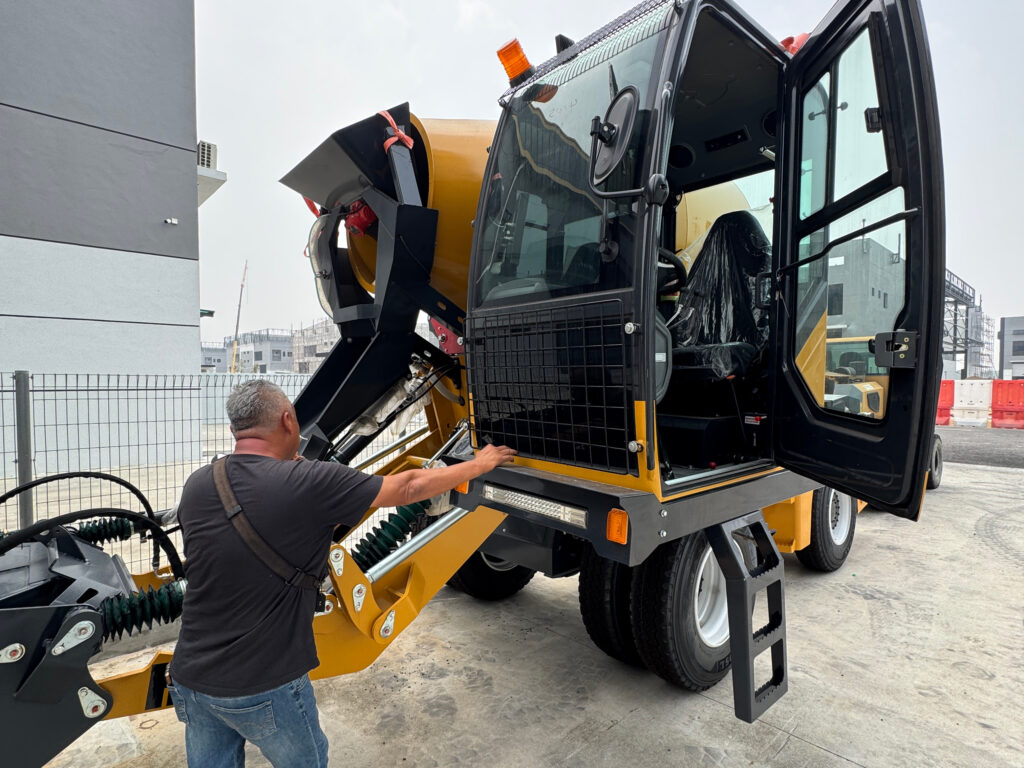
Review specifications carefully, but also examine machine details, working videos and application examples. When possible, arrange a machine inspection or test drive to better understand its actual operation.
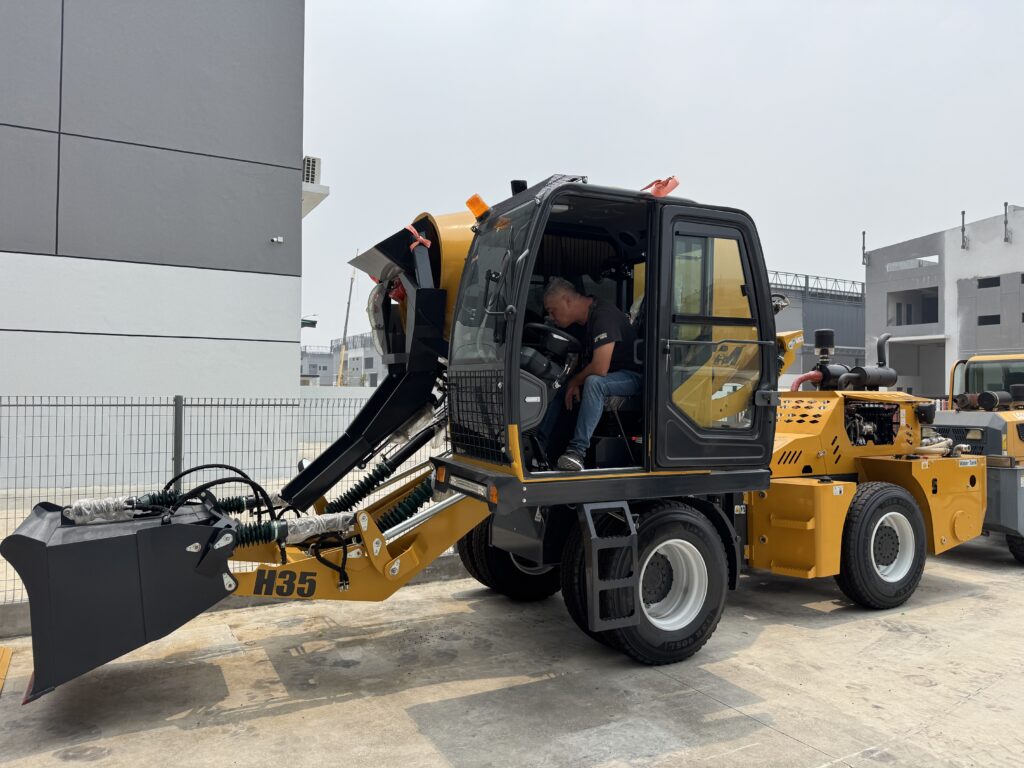
5.Overlooking Attachment Compatibility and Versatility
Some buyers focus only on the machine itself without considering the attachments required for different tasks.
However, attachment compatibility can significantly influence how effectively construction machinery is used.
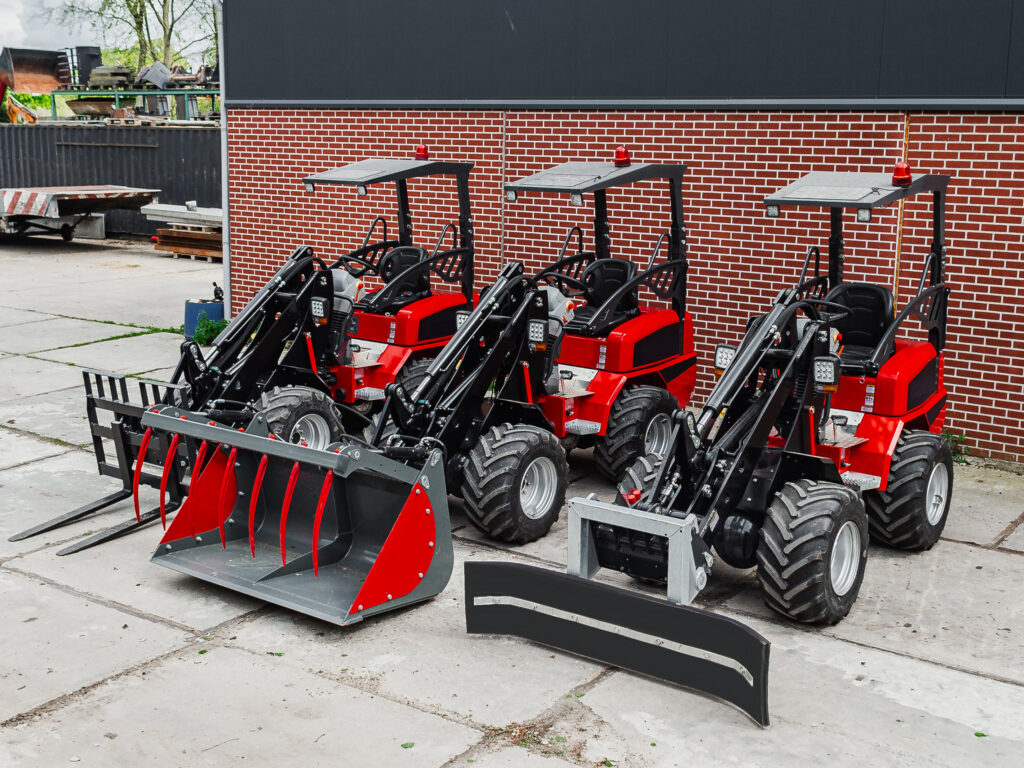
For example, wheel loaders may be equipped with buckets, pallet forks, bale grabs, grapple attachments or sweepers, depending on the model and hydraulic configuration.
Selecting suitable attachments can allow one machine to perform multiple tasks, helping businesses improve equipment utilization.
- How to Avoid This Mistake
Identify the tasks the machine needs to perform and confirm attachment compatibility before purchasing. Check hydraulic requirements, mounting systems, rated capacities and available attachment options.

6.Ignoring Spare Parts Availability
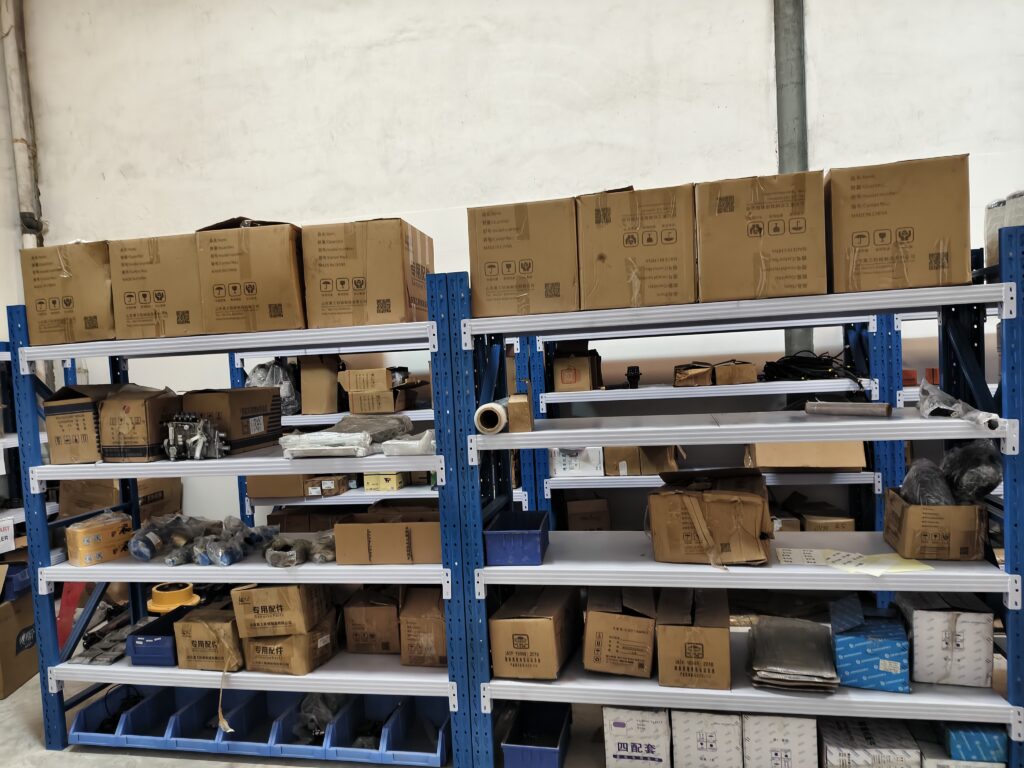
Spare parts availability is an important factor in the long-term operation of construction machinery.
Even reliable equipment requires routine maintenance and occasional component replacement. If essential parts are difficult to obtain, relatively simple repairs may result in extended downtime.
For international buyers, spare parts supply can be particularly important because international shipping, customs procedures and local inventory availability may affect repair schedules.
- How to Avoid This Mistake
Before purchasing, ask the supplier about commonly used spare parts, parts identification, ordering procedures, local inventory and expected delivery arrangements.
A supplier with accessible spare parts resources can help customers manage maintenance more effectively and reduce avoidable delays.

7.Overlooking After-Sales Service and Technical Support
Purchasing construction machinery is not only about receiving the machine. Long-term technical support can also influence equipment reliability, maintenance efficiency and customer satisfaction.
Without suitable after-sales support, buyers may experience difficulties with troubleshooting, maintenance guidance or replacement parts.
This can be particularly challenging for businesses operating machinery in overseas markets.
- How to Avoid This Mistake
Evaluate the supplier’s after-sales capabilities before placing an order. Ask about warranty coverage, technical assistance, maintenance guidance, spare parts support and local service arrangements.
Clear service responsibilities and accessible communication channels can make equipment ownership more manageable.


8.Failing to Consider Delivery and Local Support
Another purchasing mistake is overlooking delivery arrangements and local support when comparing construction machinery suppliers.
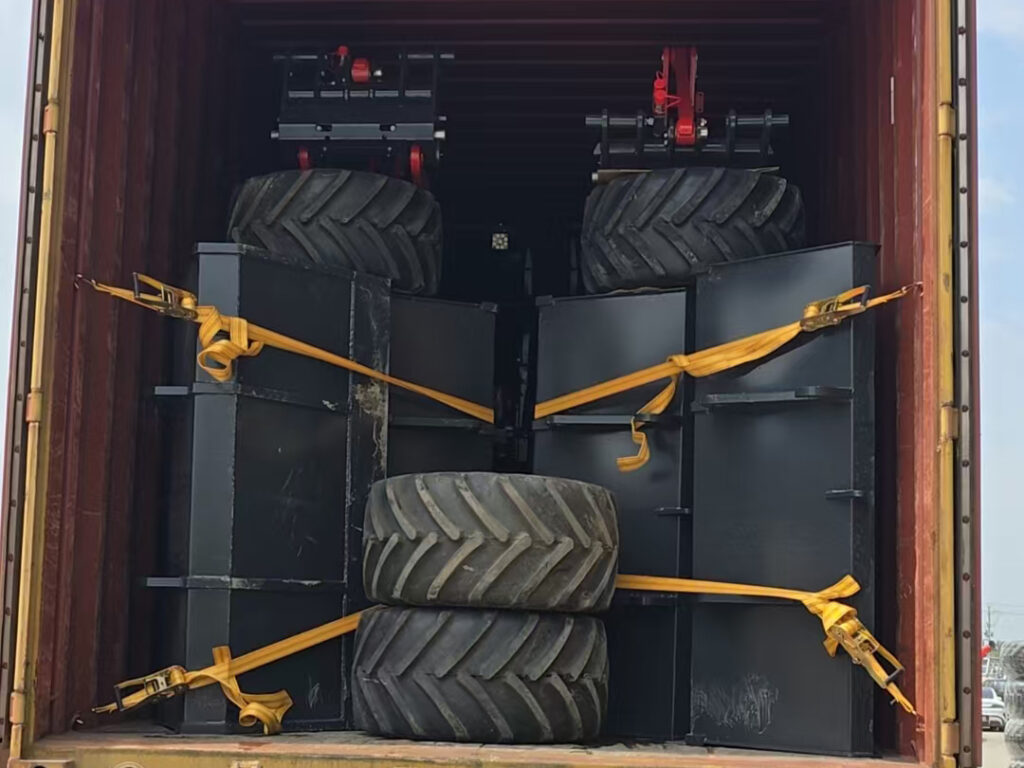
For international buyers, equipment availability, shipping arrangements, customs requirements and local service resources can all influence the purchasing process.
A machine may meet the technical requirements, but uncertain delivery arrangements or limited local support can create additional operational challenges.
- How to Avoid This Mistake
Before confirming an order, discuss the estimated delivery schedule, shipping terms, import documentation, local stock availability and service resources with the supplier.
For buyers in markets where overseas warehouses are available, checking local inventory may help simplify purchasing arrangements and improve delivery convenience.

How to Choosing a Reliable Construction Machinery Supplier?
In addition to choosing the right machine, selecting a reliable supplier is an important part of the purchasing process.
Buyers should evaluate a manufacturer’s production experience, product quality, technical information, communication efficiency and long-term support capabilities.
A suitable construction machinery supplier should be able to provide clear product specifications, explain available configurations and help customers understand which machines are appropriate for their applications.
For international buyers, export experience, shipping coordination and spare parts support are also important considerations.
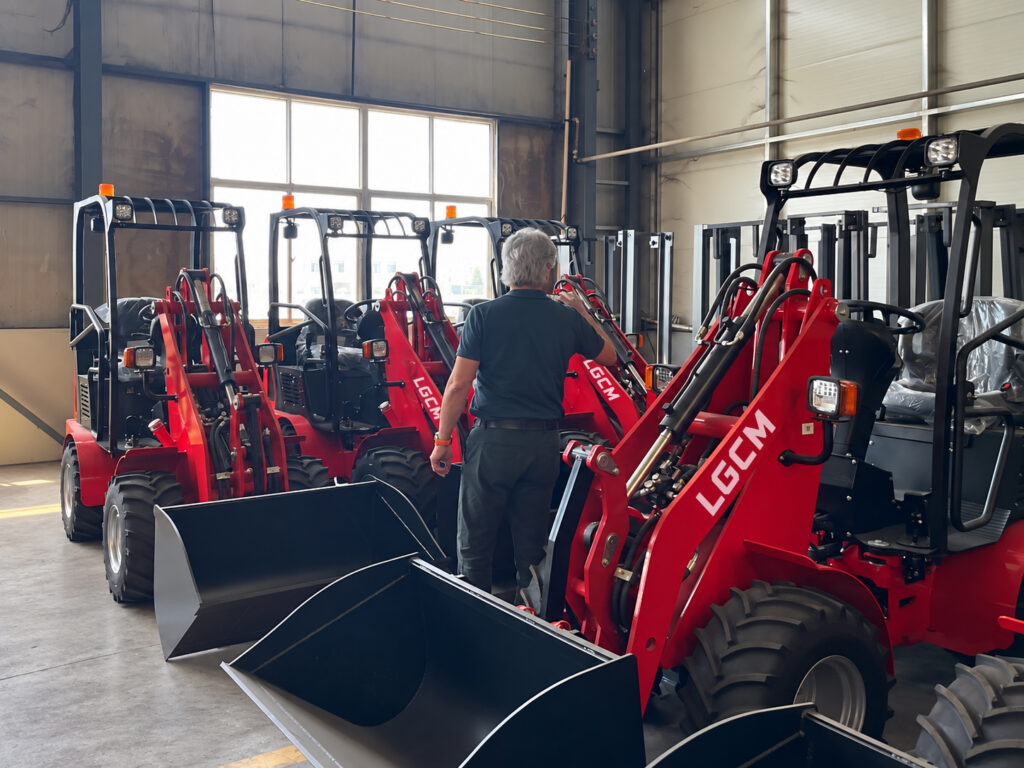
Rather than relying only on promotional claims, buyers should look for practical evidence such as factory information, machine inspection videos, product documentation, customer applications and service resources.
How LGCM Supports Construction Machinery Buyers?
- A Wide Range of Machinery Options
LGCM offers a wide range of machine categories and configurations for construction, agriculture, landscaping and material handling applications, including wheel loaders, hydrostatic wheel loaders, mini excavators, forklifts, rough terrain forklifts, self-loading concrete mixers and other compact machinery.
- Manufacturing and Quality Control
Through established manufacturing processes and equipment inspection procedures, LGCM works to provide dependable machinery for international customers.
- Spare Parts and After-Sales Support
LGCM continues to develop its international spare parts and service network, helping customers access technical assistance and maintenance resources.
- Overseas Warehouses and Localized Services
With overseas warehousing and regional service resources in Europe and Southeast Asia, LGCM aims to bring machinery and support closer to customers in different markets.
Frequently Asked Questions (FAQ)
Q1: What should I consider before buying construction machinery?
Before purchasing, consider the machine’s intended application, working environment, required capacity, operating costs, maintenance needs, spare parts availability and after-sales support.
Q2: Is cheaper construction machinery always more cost-effective?
Not necessarily. A lower purchase price does not always mean lower long-term costs. Fuel consumption, maintenance, repairs and downtime should also be considered when comparing equipment.
Q3: How can I evaluate a construction machinery manufacturer?
Buyers can review manufacturing experience, factory information, product documentation, quality control procedures, customer applications, export experience and after-sales capabilities.
Q4: Why should buyers consider overseas warehouses and local support?
Overseas warehouses and local support resources may improve equipment availability, simplify delivery arrangements and make spare parts or technical assistance more accessible, depending on the market.