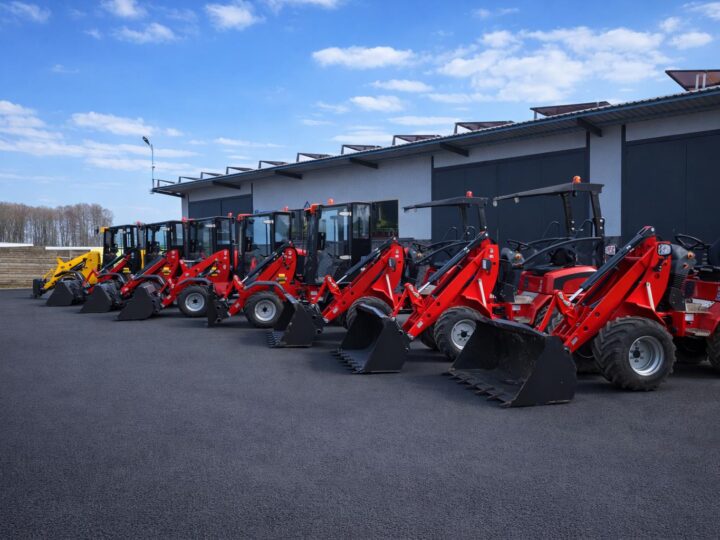
For a small construction crew, farm owner, or property manager, loading work rarely happens just once. One day it is soil, the next it is gravel, and later it may be material that needs clearing from a yard or jobsite.
When these jobs keep coming back, a practical question follows: is it better to rent a wheel loader when needed, or own one? The answer depends on how you work—not simply on the purchase price.
When renting makes sense
If you only need a loader a few times a year, renting may be the simpler option. You avoid ongoing storage and ownership responsibilities. However, delivery costs, availability, and minimum rental periods can affect the real cost of a job.
When owning a loader is worth considering
If loading and material handling are part of your weekly routine, owning a machine may give you more control over your schedule. Before deciding, estimate working hours, maintenance costs, parts availability, and how consistently the machine will be used.
What the LAIGONG LG928 specifications tell you
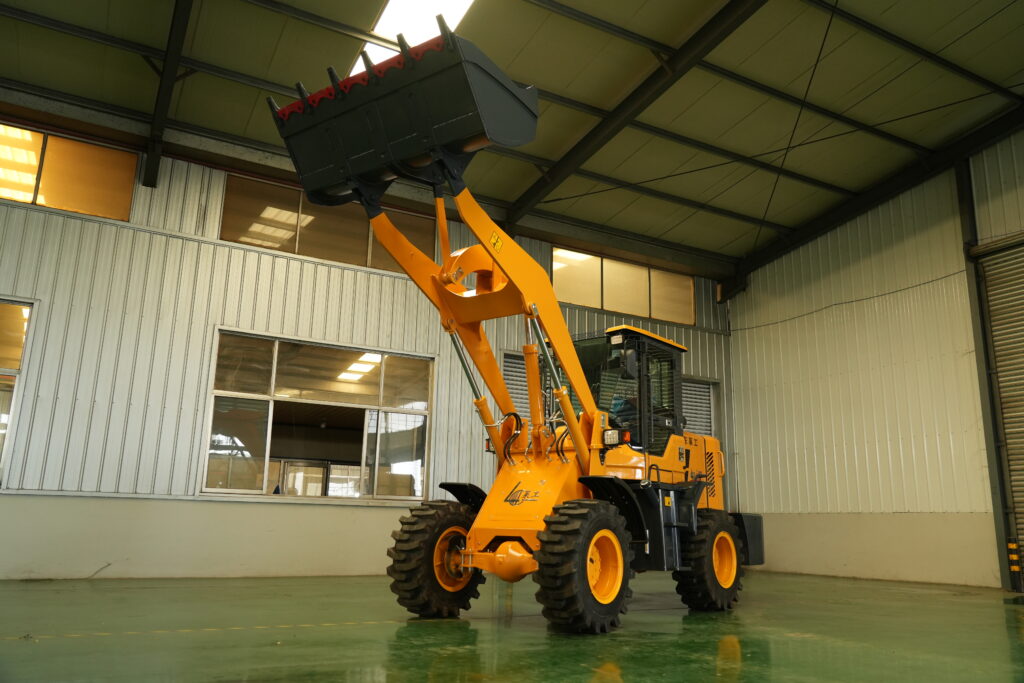
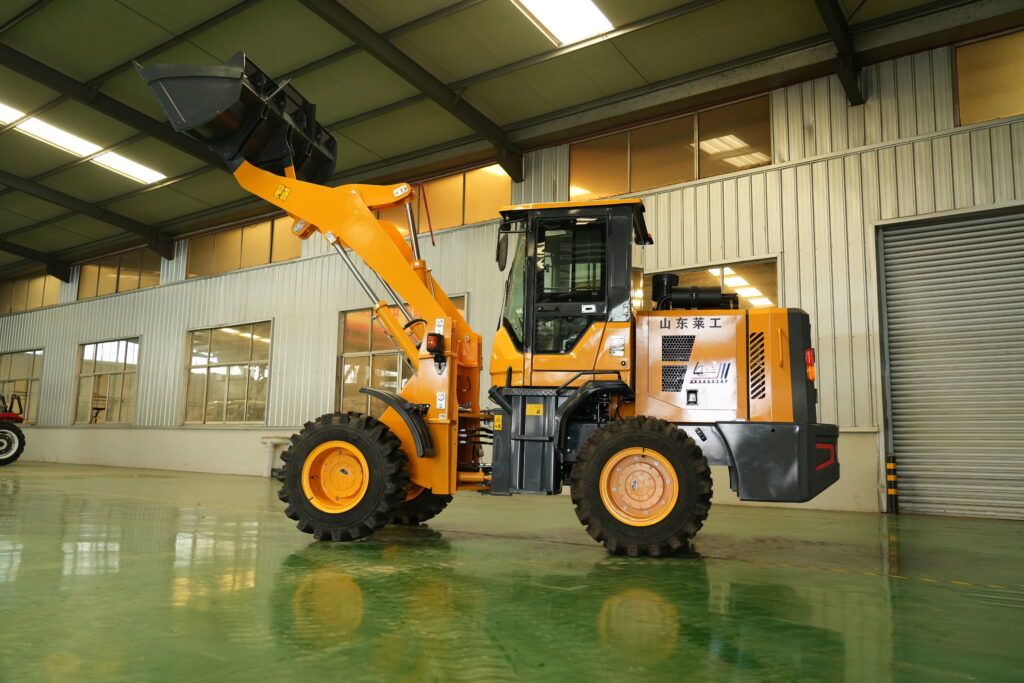
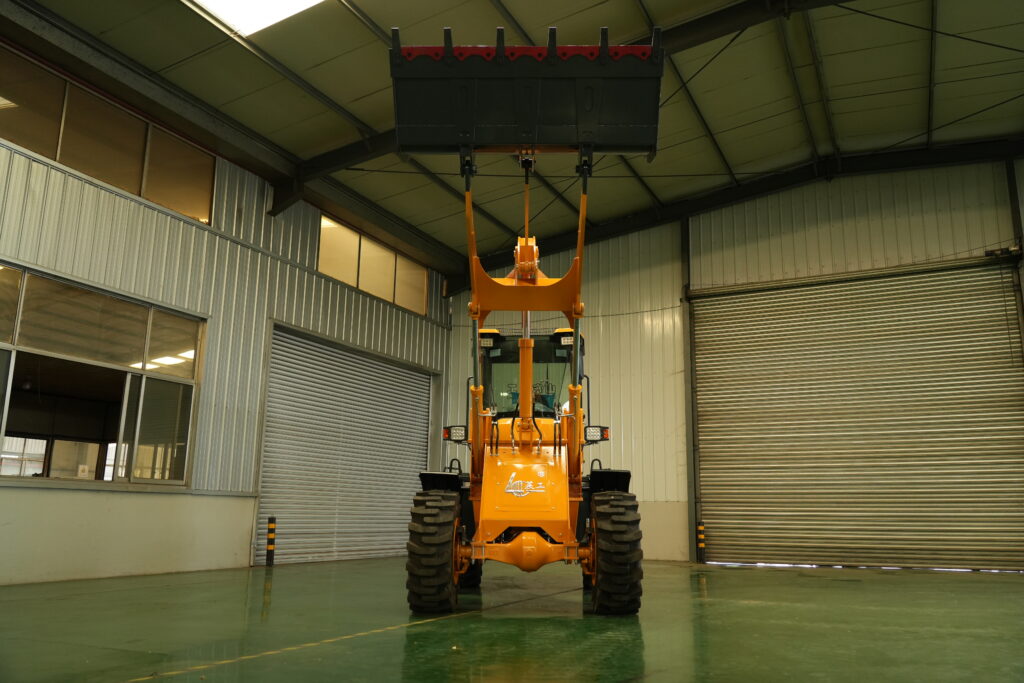
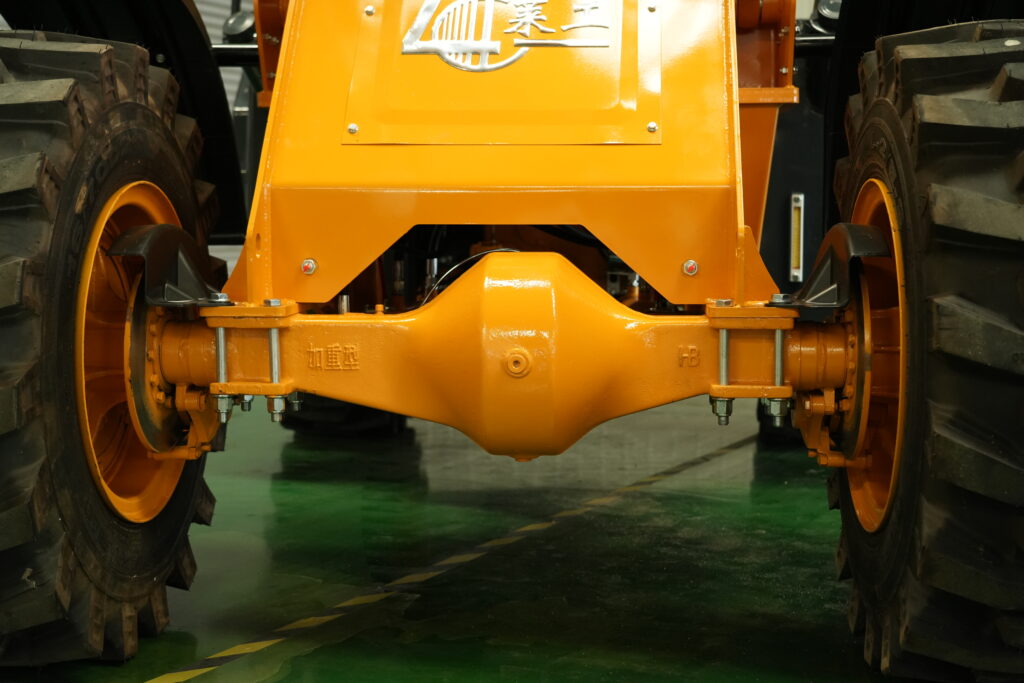
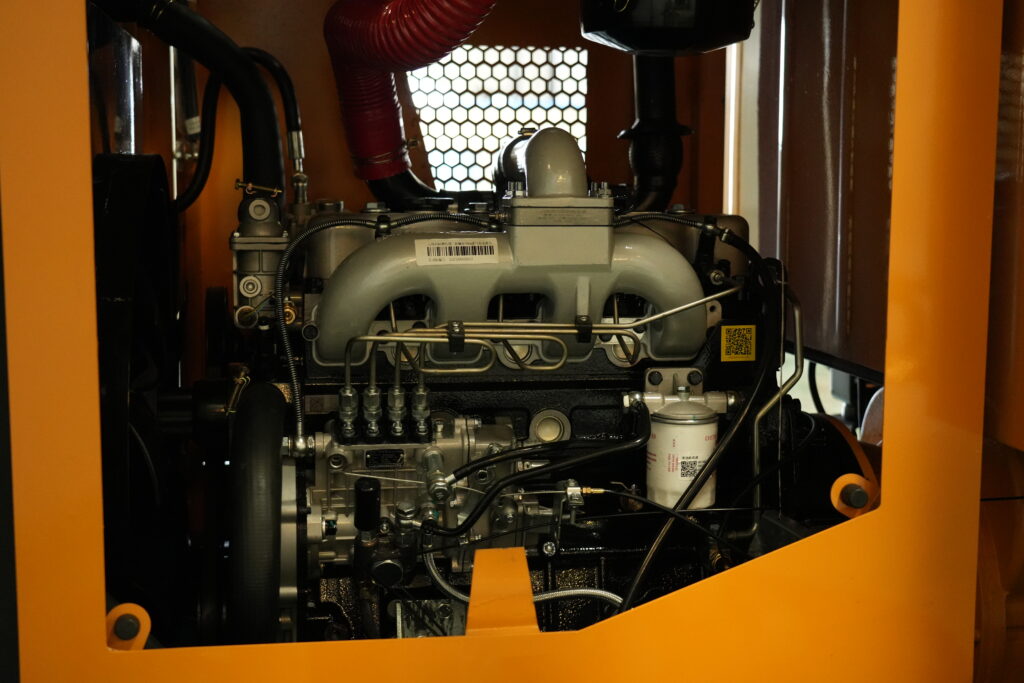
According to the supplied LG928 specification sheet, this wheel loader has a 1,600 kg rated load, a 0.6 m³ standard bucket, and a 42 kW YUNNEI 490 engine. Its overall width is 1,800 mm, and its unloading height is listed as 3,200 mm. The sheet also lists an automatic transmission and joystick control.
Compare these figures with your gate widths, worksite access, typical material density, and the height of the vehicles you need to load. Rated load should not be treated as a guarantee for every material or operating condition.

Cold-weather features to check
The listed LG928 configuration includes a cab heater and a 220V engine preheater. These features may be relevant to buyers working in colder regions, but suitability for specific temperatures and local conditions should be confirmed before purchase.
A simple checklist before you decide
Write down the jobs you do most often, how many hours you need the loader each week, the materials you handle, and the space available on site. Compare the full cost of ownership with renting over a realistic period. Ask about servicing, parts support, and configuration before making a decision.
The best starting point is your actual workload. Once you know what the machine needs to do, it becomes much easier to judge whether the LG928 is the right fit.
What works better for your business—owning a wheel loader or renting one when you need it?