If you are choosing a mini excavator today, the question is no longer just about size and digging depth. On some jobs, you also have to decide between diesel and electric power.
There is no honest answer that says one is always better. Diesel is still hard to beat on remote sites and long, continuous shifts. Electric becomes much more attractive on fixed sites, in noise-sensitive areas, and where local exhaust is a problem.
So instead of asking which technology is better in general, compare them against the work you actually do.
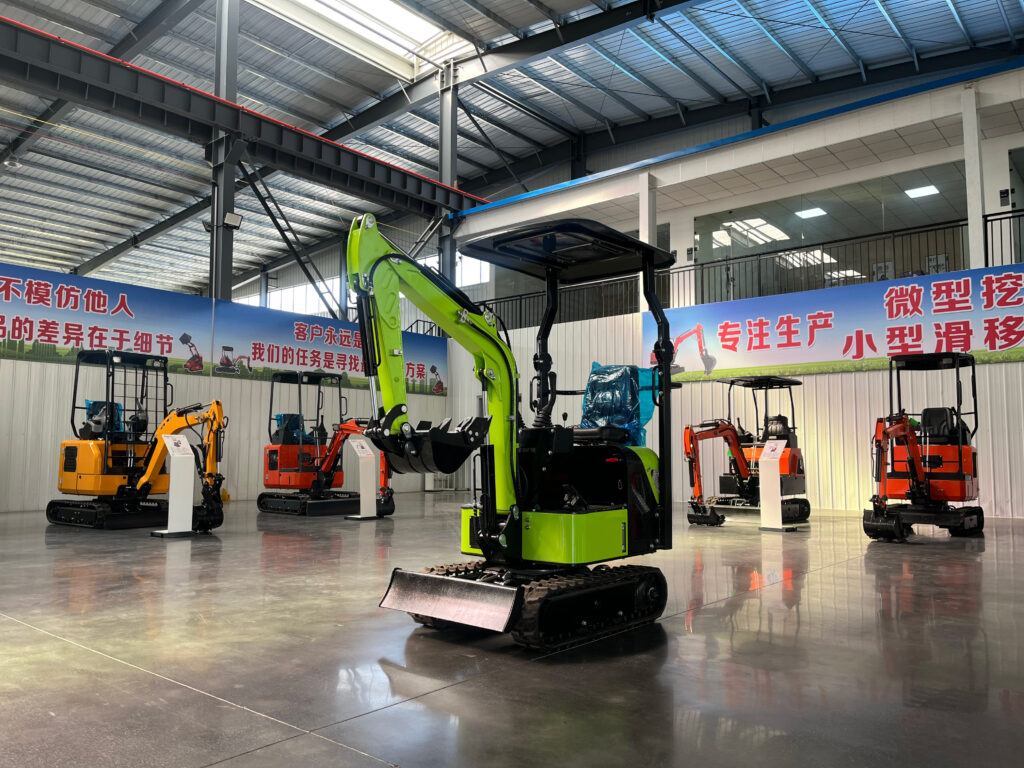
Quick answer
Choose diesel first when the machine will work far from reliable charging, needs to run for long periods with minimal interruption, or must be refueled quickly in the field.
Consider electric first when the machine works around homes, farms, landscaping projects, indoor-adjacent spaces or other controlled sites where low noise, no tailpipe exhaust during operation and simple access to charging are useful.
After that, compare the actual machine: weight, digging range, hydraulic performance, support and total cost. The power source should not hide a weak machine underneath.
Electric vs. diesel mini excavator at a glance
| Decision point | Electric mini excavator | Diesel mini excavator |
| Local exhaust during operation | No tailpipe exhaust from the machine | Diesel exhaust present |
| Noise | Typically lower powertrain noise | Higher engine noise |
| Energy replenishment | Needs suitable charging access | Fast refueling where diesel is available |
| Remote jobs | Depends heavily on charging plan | Usually easier to support |
| Long continuous shifts | Needs battery/duty-cycle planning | Often simpler for continuous field work |
| Routine engine service | No diesel engine oil/fuel-system service | Conventional engine service required |
| Best-fit sites | Fixed, controlled, noise/exhaust-sensitive | Remote, mobile, long-duty applications |
| Purchase decision | Check battery, charger, hydraulics and support | Check engine, fuel system, hydraulics and support |
- Start with the jobsite, not the specification sheet
A spec sheet tells you what a machine can do. The jobsite tells you whether it is practical to own.
Imagine two customers buying a 1.2-ton excavator. One works around a landscaped residential development and returns to the same yard every evening. The other moves between rural jobs with no dependable power source. Their digging requirements may be similar, but their power-system needs are not.
The first customer has a straightforward place to charge. The second customer may value five-minute refueling more than lower noise. This is why power choice should come after the site is understood.
- Noise: important in some jobs, irrelevant in others
Noise is one of the easiest electrical advantages to understand, but it only matters when the site cares about it.
Residential areas, hotels, schools, landscaped properties, farms close to animals and maintenance work around occupied buildings can all benefit from a quieter powertrain. On an isolated earthmoving site, the same benefit may have little commercial value.
Do not buy electric because “quiet” sounds good in a brochure. Buy it when lower machine noise helps you work in places, at times or around customers where diesel noise creates a real problem.
- Exhaust: think about where the machine is working
An electric excavator has no diesel tailpipe exhaust during operation. That can be useful in greenhouses, barns, covered work areas and other sites where ventilation or nearby people and animals make engine exhaust less desirable.
That does not mean an electric machine is automatically “zero impact.” Electricity still has to come from somewhere, and battery production has its own footprint. For a buyer, the practical question is usually simpler: do you need to remove engine exhaust from the immediate work area?
- Charging versus refueling
This is often the deciding factor.
Diesel is simple: if you can bring fuel to the machine, you can get back to work quickly. Electric equipment needs a charging plan. That plan may be easy at a farm, workshop, rental yard or fixed project, but difficult on a remote site.
Do not buy a battery excavator until you know what power supply is available, where charging will happen and how that schedule fits the machine’s daily work. Also ask the supplier for verified charging and working-time information for your configuration. If the data is not in the specification, do not guess.
- Maintenance: fewer engine items does not mean “maintenance-free”
Electric machines remove several diesel-engine service items. There is no engine oil change, diesel fuel filter or diesel injection system to maintain in the same way.
But the excavator still has tracks, pins, bushings, hoses, hydraulic oil, cylinders, filters, electrical components and a battery system. Those parts still need inspection and service.
A better way to describe electric maintenance is “different,” not “none.” Ask the supplier what routine checks are required and which components the dealer or owner can service locally.
- Total cost: do the math for your own market
It is tempting to say electric always costs less to run. That can be true in some markets and false in others.
Electricity price, diesel price, daily hours, charging efficiency, maintenance labor, battery life and local parts costs all change the answer. A contractor working 300 hours a year has a different calculation from a rental fleet running a machine every day.
The useful comparison is total cost per working hour over the period you expect to own the machine. If a supplier only shows fuel savings and ignores battery, charger and service costs, the comparison is incomplete.
- Performance still comes first
A mini excavator earns money by digging, lifting, grading and fitting into tight spaces. Whether it is electric or diesel, check the numbers that affect the job: operating weight, bucket size, digging depth, digging radius, excavation force, hydraulic pressure and machine width.
If the electric model cannot meet the job requirement, lower noise will not save the project. If it can meet the requirement, then the electric advantages become relevant.
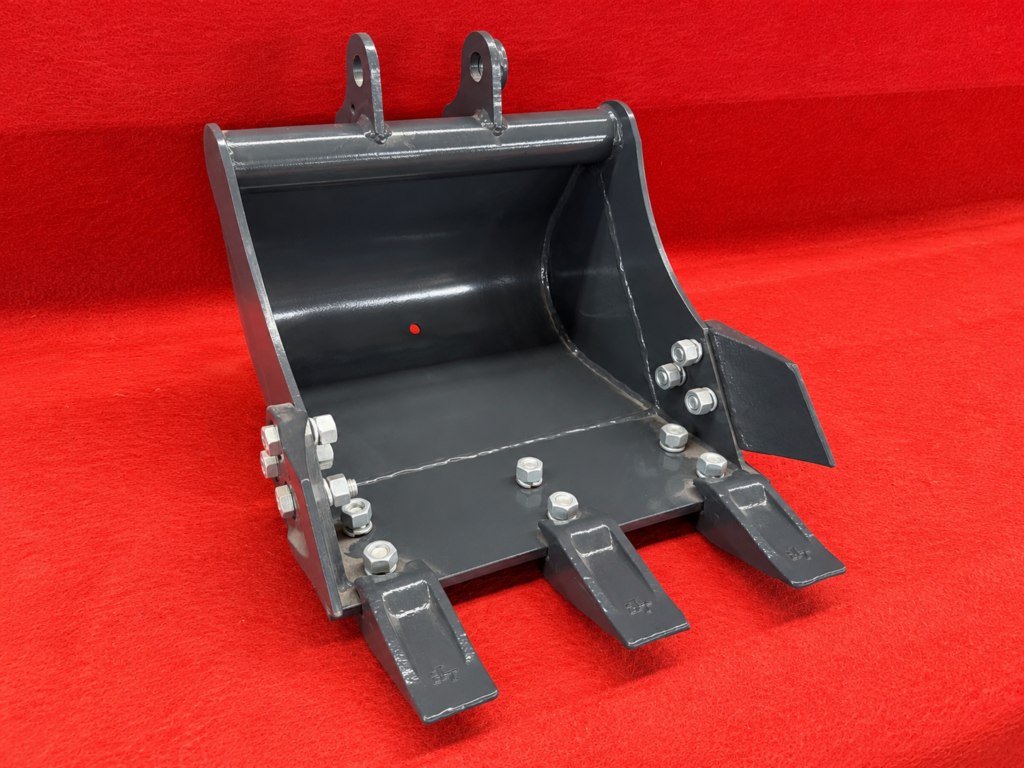

Where the LGCM LG12EV fits in this comparison
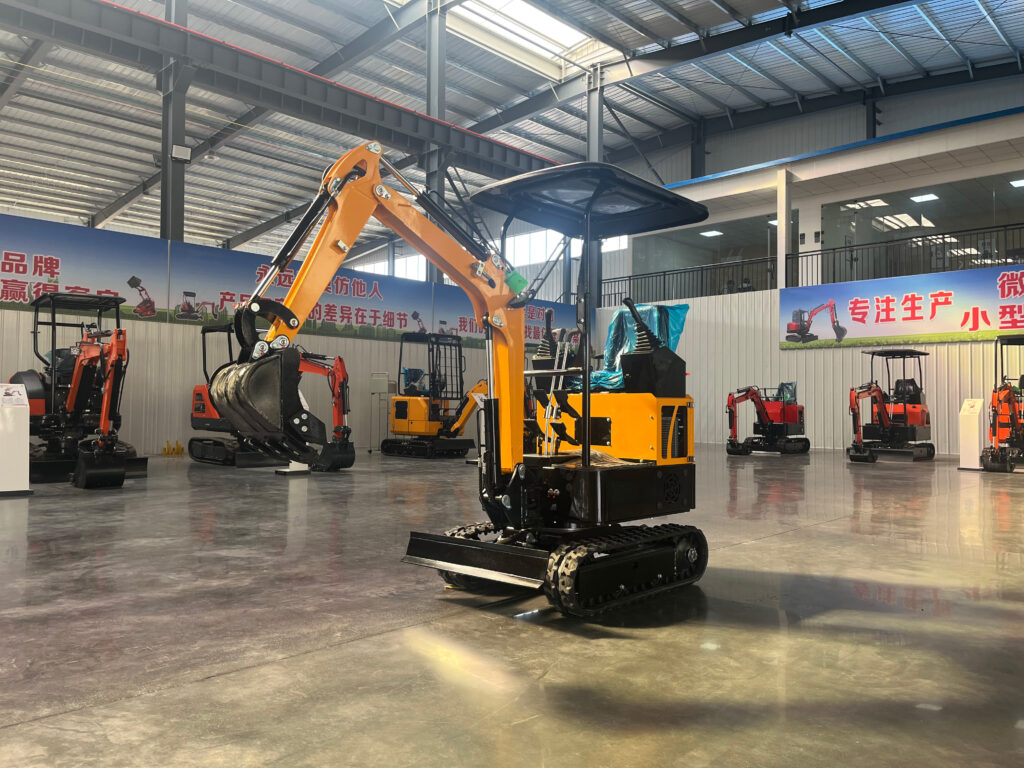
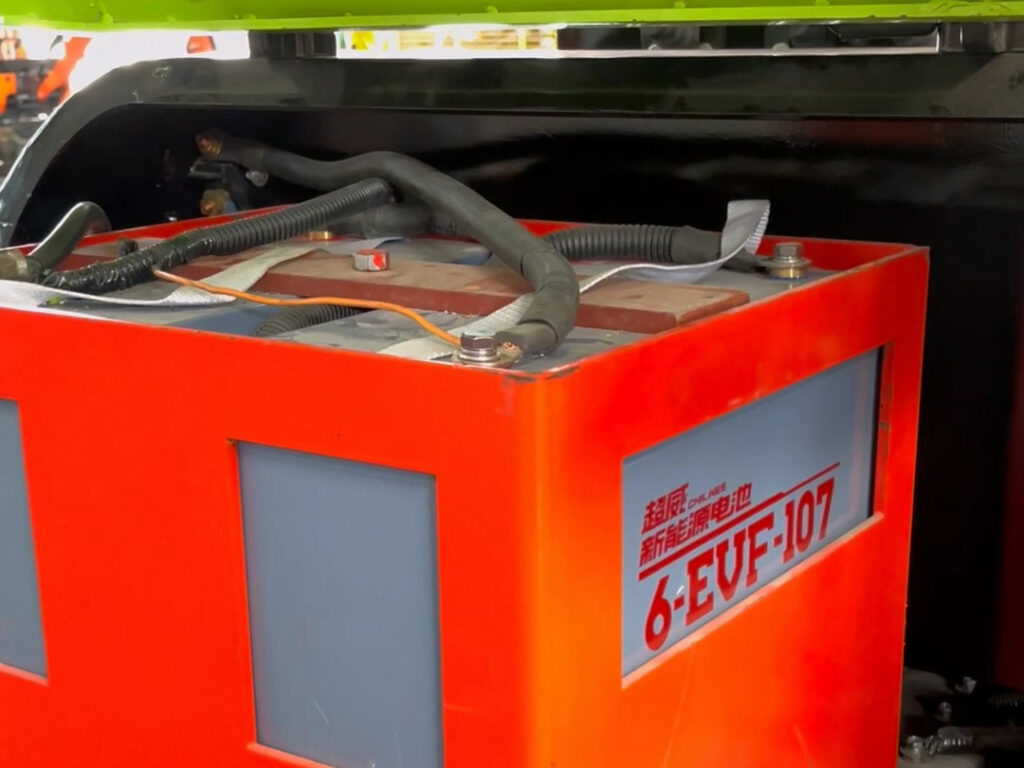
LGCM’s LG12EV is a 1,200 kg electric crawler mini excavator built around a 73.6 V / 202 Ah LiFePO4 battery system. It is 980 mm wide and has a listed maximum digging depth of 1,680 mm, maximum digging radius of 3,070 mm and maximum excavation force of 10 kN.
Those specifications tell you what kind of machine it is. It is aimed at compact work where access and maneuverability matter. It is not designed to replace a larger diesel excavator on heavy production work.
The supplied LG12EV documentation also lists a load-sensing multi-way valve and a variable displacement piston pump. For buyers, that matters because the electric power source still has to work with a responsive hydraulic system.
| LG12EV key point | Specification |
| Operating weight | 1,200 kg |
| Battery | LiFePO4, 73.6 V / 202 Ah |
| Transport documentation | UN38.3 stated in supplied product material |
| Overall width | 980 mm |
| Bucket capacity | 0.025 m³ |
| Maximum digging depth | 1,680 mm |
| Maximum digging radius | 3,070 mm |
| Maximum excavation force | 10 kN |
| Hydraulic pressure | 18 MPa |
Who should choose electric first?
- Landscaping companies that work around homes, parks or commercial properties.
- Farms and orchards with regular access to electricity and frequent small maintenance jobs.
- Customers working near livestock, barns or other areas where local exhaust matters.
- Contractors doing short-duration trenching and maintenance on controlled sites.
- Rental companies that want an additional machine for customers asking for low-noise or battery-powered equipment.
Who should choose diesel first?
- Contractors working on remote sites with no reliable charging source.
- Users who need long, continuous shifts and cannot plan charging breaks.
- Customers who move the machine frequently between locations and already have established diesel support.
- Jobs where noise and local exhaust are not important, but fast field refueling is.
Questions to ask before you buy
- What will the excavator do most days?
- How many hours of real digging and travel are expected per day?
- Where will the machine charge or refuel?
- Is the site sensitive to noise or engine exhaust?
- What maximum digging depth and radius are required?
- What is the narrowest access point on the site?
- Which attachments will be used?
- What service and spare-parts support is available locally?
- For electric: what battery documents, charger requirements and verified duty-cycle data are available?
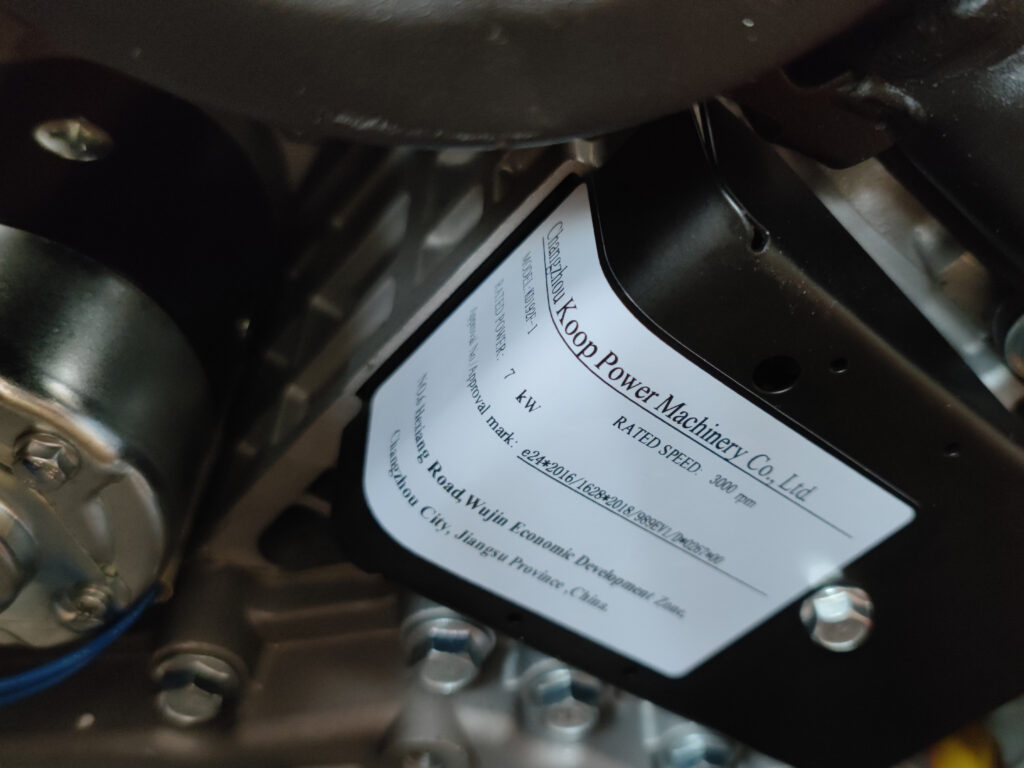
- For diesel: what engine, emission standard and local fuel/service requirements apply?
The practical answer
If you mainly work on remote sites and value fast refueling above everything else, diesel is still the safer starting point.
If your work is compact, site-based and sensitive to noise or local exhaust, electric is worth evaluating seriously. In that situation, a machine such as the LGCM LG12EV can make sense because its size, digging range and power system are designed around small-site work.
Do not choose a machine because “electric is the future” or because “diesel is proven.” Choose the machine that fits your job today, then make sure the supplier can support it after delivery.
Frequently Asked Questions
Is an electric mini excavator better than diesel?
Not in every application. Electric is attractive on fixed, noise-sensitive or exhaust-sensitive sites with practical charging access. Diesel is often easier on remote jobs and long continuous shifts.
Does an electric mini excavator need maintenance?
Yes. It does not have the same diesel-engine service items, but the hydraulic system, undercarriage, pins, hoses, filters, electrical system and battery still require inspection and service.
Can an electric mini excavator work on a farm?
Yes, if the machine matches the required digging work and the farm has a practical charging plan. Common uses include drainage, irrigation, fencing, orchard maintenance and small construction.
What battery does the LGCM LG12EV use?
The supplied product specification lists a 73.6 V / 202 Ah lithium iron phosphate (LiFePO4) battery system.
What is the LG12EV maximum digging depth?
The listed maximum digging depth is 1,680 mm.
Should a dealer replace diesel mini excavators with electric models?
Usually not as a blanket strategy. Electric can be added as a separate option for customers whose sites and duty cycles make battery power useful.
If you are not sure which power system fits your market, send LGCM the job type, daily working pattern, required digging range and local charging conditions. We can help you compare the LG12EV with a diesel mini excavator based on the application rather than the trend.
Would you like to see our machines in person? We warmly invite you to visit LGCM at Outdoor Booth ON.220 at bauma CHINA 2026 in Shanghai. Meet our team, explore our machinery up close, and discuss potential cooperation opportunities. We look forward to welcoming you!